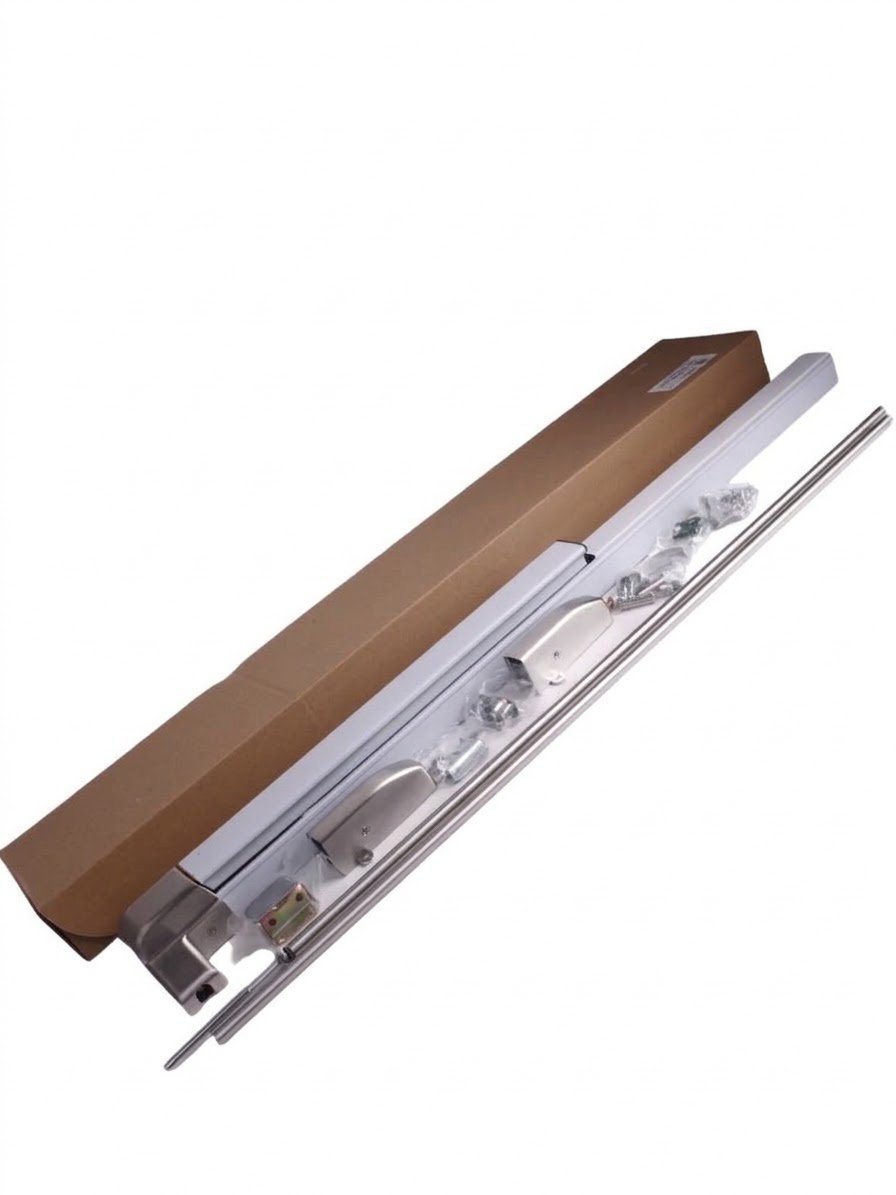
Fire Exit Hardware
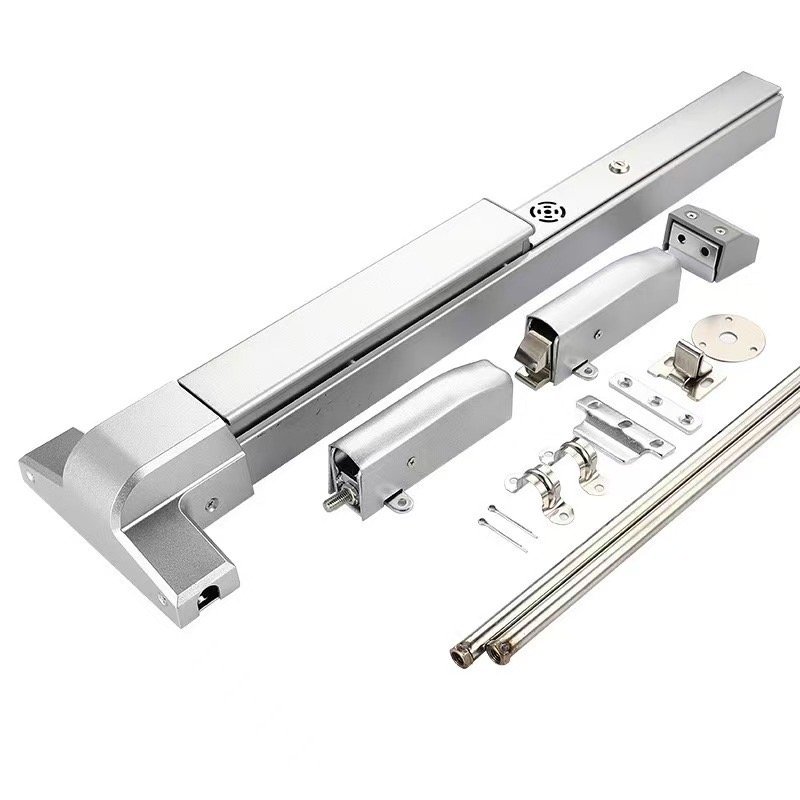
In North American building codes (such as IBC, NFPA 101, and NFPA 80), the exit push devices installed on fire doors (also known as push bar locks or panic hardware for swing doors) are collectively referred to as Fire Exit Hardware (distinguished from Panic Hardware used for non-fire panic applications).
The design of such hardware must balance two core requirements: barrier-free rapid egress in emergencies and containment of smoke and fire spread during a fire.
I. Core Technical and Code Requirements for Fire Exit Hardware
Positive Pressure Fire Test Certification (Fire Rating)
Certification Standards: Must pass UL 10C (Positive Pressure Fire Test of Door Assemblies) or CAN/ULC-S104 (Canadian standard).
Fire Resistance Ratings: Typically available in 45 minutes, 90 minutes (1.5 hours), 180 minutes (3 hours), and other fire endurance periods.
Positive Latching
According to NFPA 80, fire doors must be capable of automatic positive latching when closed, ensuring that high-pressure gases generated by a fire cannot push the door open.
No Mechanical Dogging Permitted: Standard panic hardware typically includes a “dogging” feature (using a hex key to hold the push bar in the depressed position for free access), but fire-rated exit hardware absolutely must not have mechanical dogging, to prevent the latch from failing to extend during a fire and allowing fire spread. Some electrically controlled fire exit hardware allows the latch to be released automatically upon power loss through solenoid valves (Fail-Secure/Fail-Safe interlocked with the fire alarm system).
Ergonomics and Accessibility Standards (ADA & UL 305)
Complies with ANSI/UL 305 exit hardware standards.
Push Bar Length: The activating area of the push pad/push bar must be at least half of the total door leaf width (≥ 50%).
Mounting Height: The center of the push bar from the floor
Gallery