Intelligent, Embodied, and Hybrid machinery
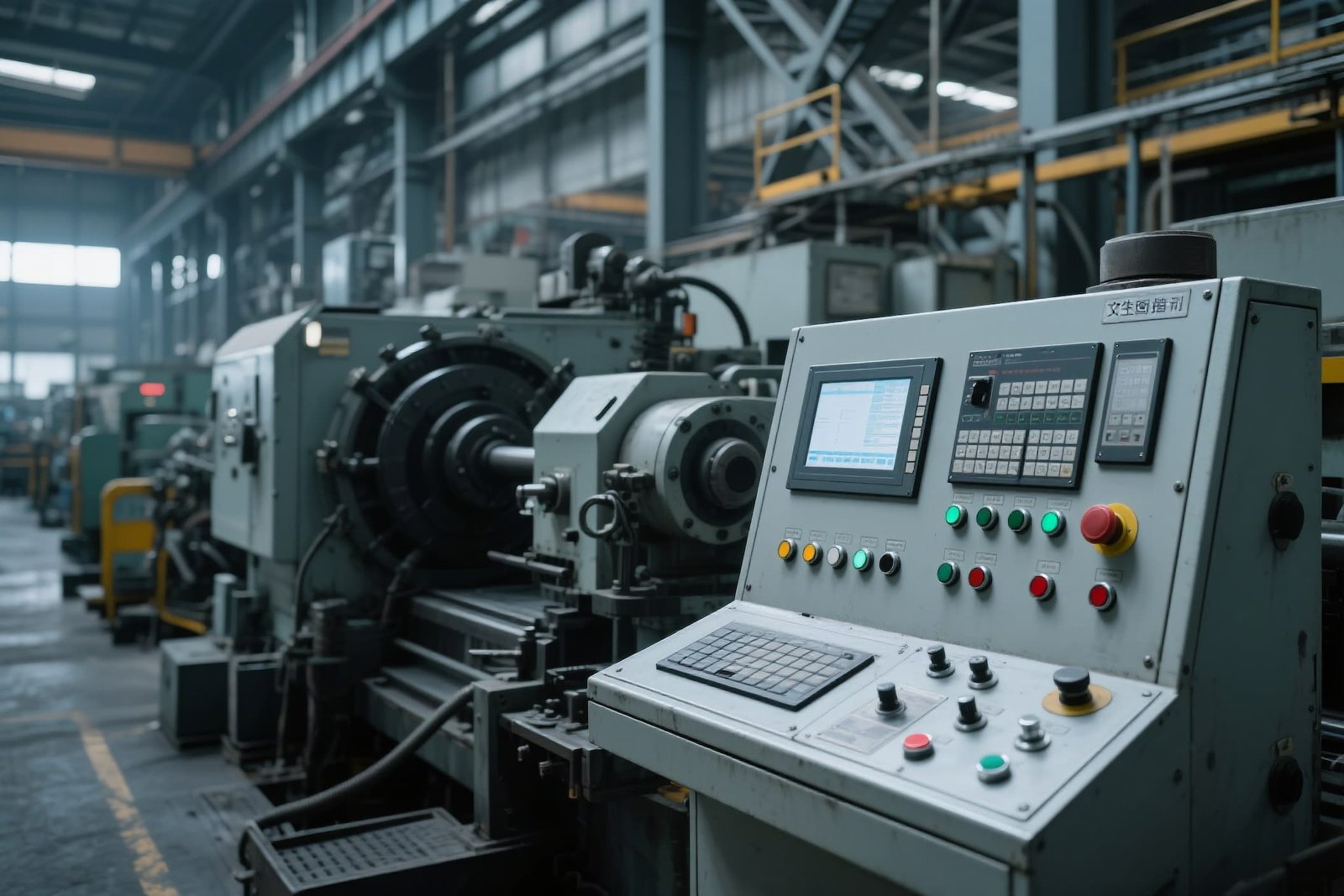
The application of **New Mechanical Machinery** in China has reached a critical “tipping point” in 2026. No longer just the “world’s factory” for low-cost components, China has pivoted toward **Intelligent, Embodied, and Hybrid** machinery. This shift is driven by a state-backed push for “New Quality Productive Forces,” aiming to replace traditional hardware with adaptive, self-learning systems.
### 1. The Era of Embodied AI and Humanoid Robots
The most striking application in 2026 is the migration of **Humanoid Robots** from laboratory demos to the factory floor. Companies like **Unitree** and **Agibot** have deployed thousands of “Embodied AI” units in automotive and electronics assembly lines.
* **Beyond Automation:** Unlike fixed robotic arms, these humanoids use **Visual-Language-Action (VLA)** models to perform “unstructured tasks,” such as picking irregular parts or assisting in complex wiring—tasks that previously required human dexterity.
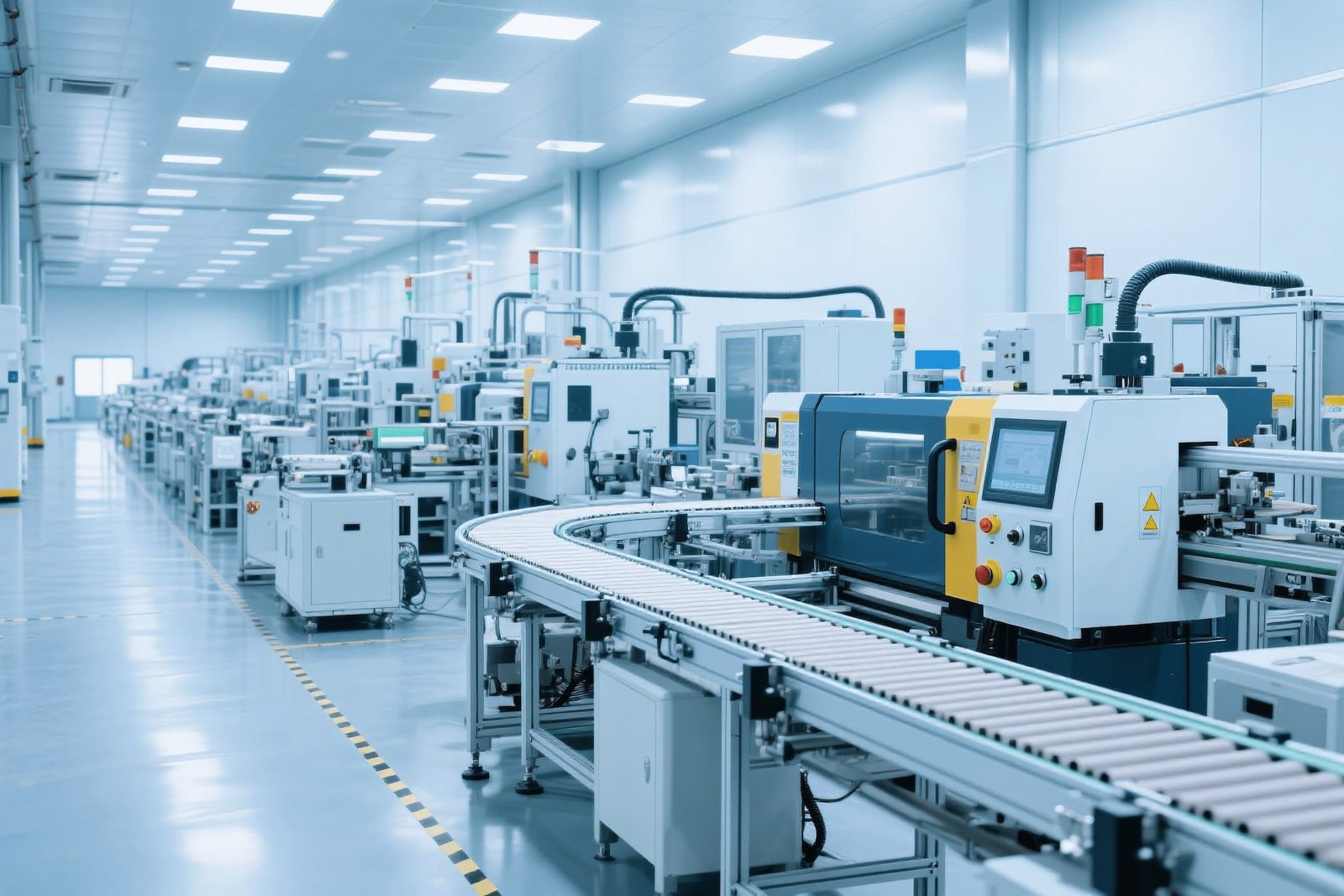
* **Commercial Scale:** China now accounts for over half of the world’s new robot installations, with “Lighthouse Factories” in Shenzhen and Shanghai operating as near-autonomous ecosystems.
### 2. High-End “Industrial Mother Machines”
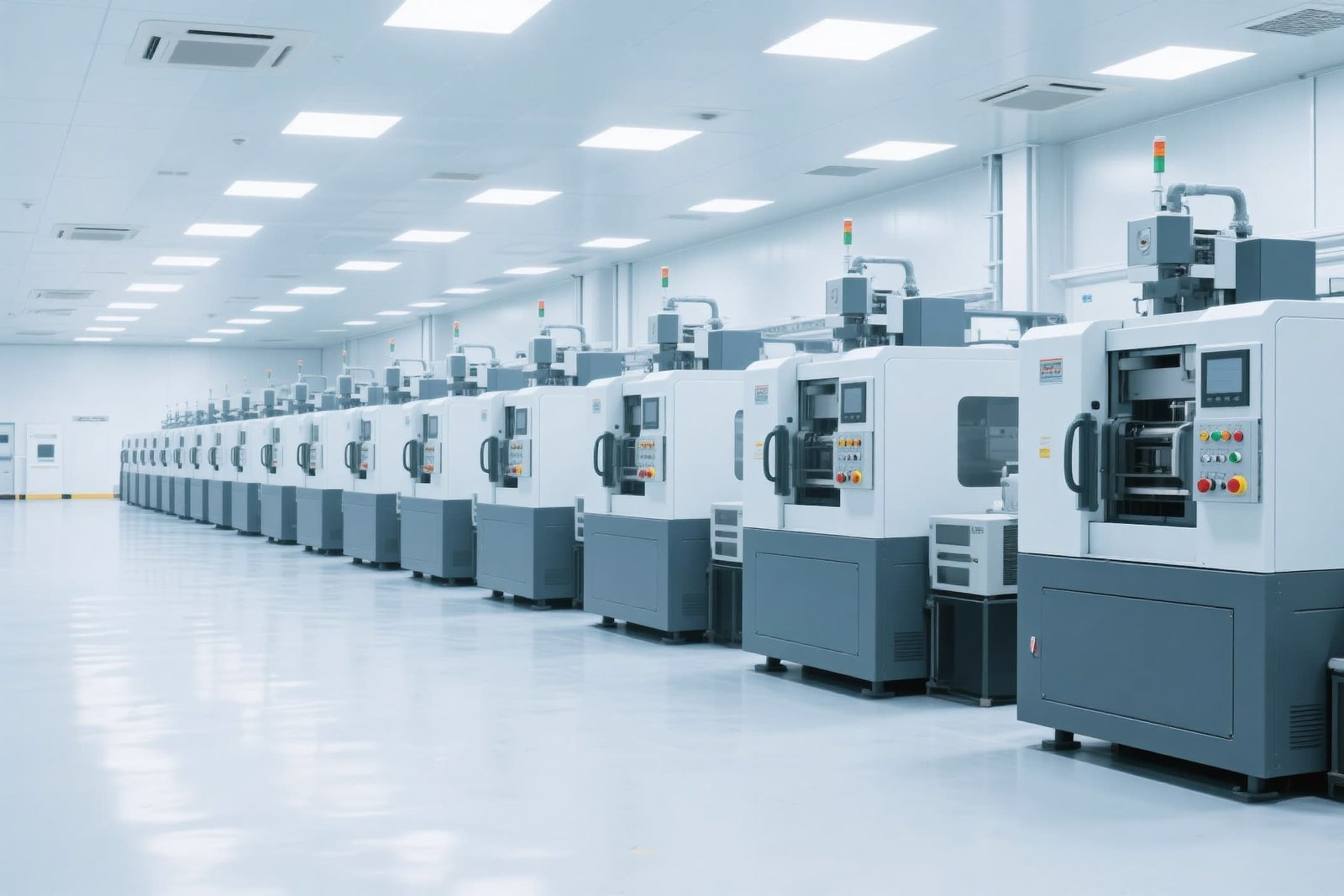
China has made decisive breakthroughs in **Industrial Mother Machines** (high-end CNC machine tools), reducing its dependence on imported Swiss and German technology.
* **5-Axis Precision:** Domestic manufacturers are now mass-producing 5-axis machining centers capable of micron-level tolerances for aerospace and medical implants.
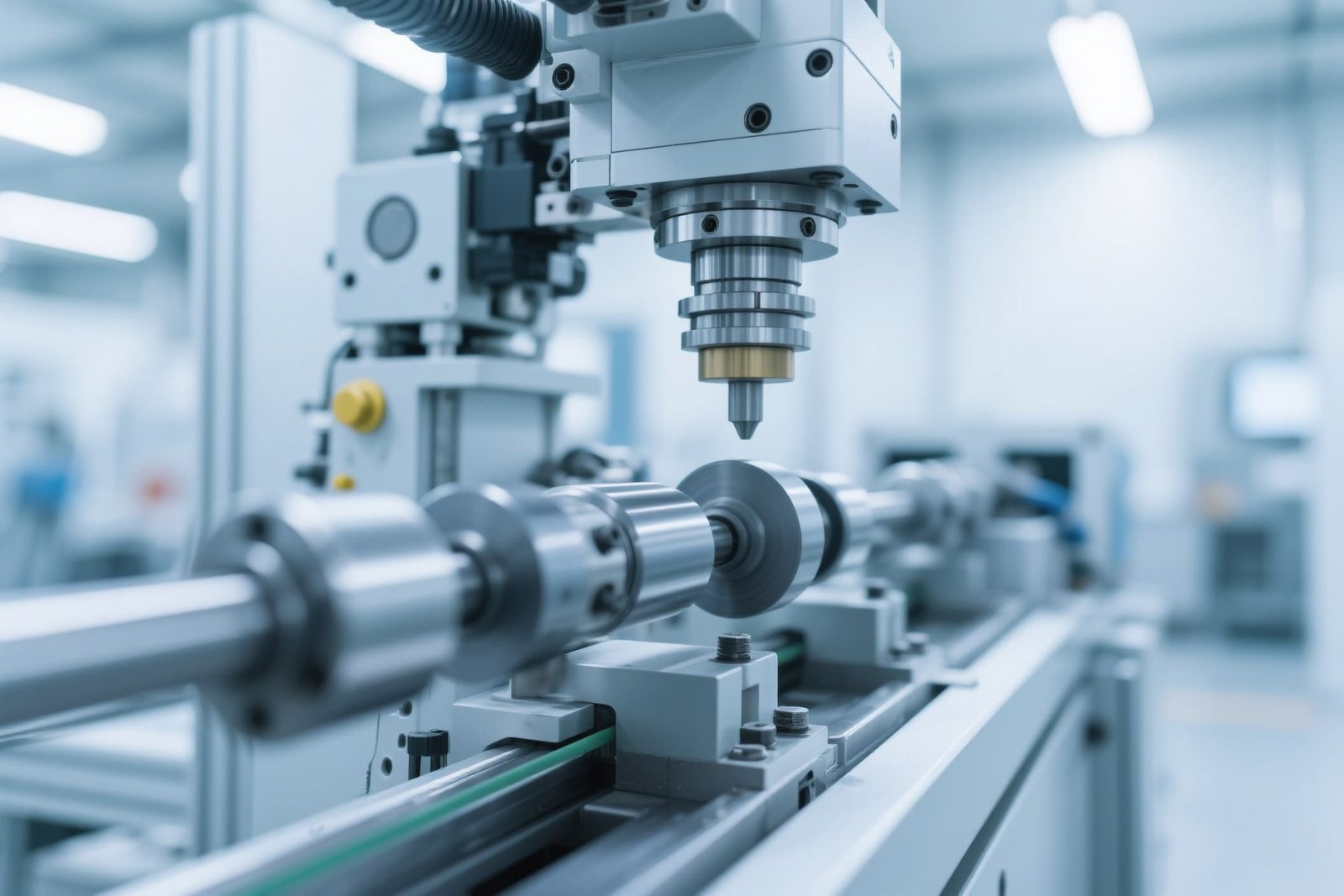
* **AI-Native Machining:** Modern Chinese CNC machines now feature “Autonomous Correction.” By using real-time sensor feedback, the machine can adjust its own cutting speeds and toolpaths to compensate for heat expansion or tool wear, ensuring 100% batch consistency without human intervention.
### 3. Hybrid and Additive Manufacturing (3D Printing)
Mechanical machinery in China is increasingly **Hybrid**, combining subtractive CNC milling with additive 3D printing in a single platform.
* **Industrial 3D Printing:** At events like TCT Asia 2026, Chinese firms showcased **Multi-Laser Powder Bed Fusion** systems that can “print” large-scale titanium aircraft components or lightweight EV chassis parts.
* **Desktop to Factory:** The line between “prosumer” and “industrial” has blurred. High-speed desktop 3D printers from brands like **Bambu Lab** are now used in “Micro-factories” across the Pearl River Delta for rapid prototyping and small-batch production of customized mechanical parts.
### 4. Smart Workholding and IoT Integration
Even the most basic mechanical components have gone “smart.” The application of **IoT-integrated Workholding** (smart chucks and fixtures) has become standard in high-end production.
* **Data-Driven Clamping:** These mechanical devices now transmit real-time data regarding clamping force and part alignment to a central “Digital Twin.” This prevents part deformation and allows procurement managers to track “Process Reliability” as a digital metric.
### 5. Sustainability and “Green” Machinery
With the 2026 focus on “Green Manufacturing,” new machinery applications prioritize energy efficiency.
* **MQL (Minimum Quantity Lubrication):** New mechanical systems are moving away from flood coolants toward MQL and dry-cutting technologies, significantly reducing the environmental footprint of heavy machining.
* **Energy-Efficient Controllers:** Next-generation machine controllers are designed to reduce idle power draw by up to 40%, aligning with China’s national “Dual Carbon” goals.
### Conclusion
In 2026, Chinese mechanical machinery is defined by **Predictability and Intelligence**. The focus has shifted from “Machine Speed” to “Machine Intelligence,” where the hardware is merely a shell for sophisticated AI and digital twin ecosystems. This transformation ensures that China remains the backbone of the global supply chain, not through labor, but through unmatched technological agility.
—
**Would you like me to find specific technical data on the newest Chinese-made 5-axis CNC models, or perhaps more information on the “Lighthouse Factories” where these humanoid robots are currently deployed?**
Gallery